

About Us
Product Categories
Hot Products
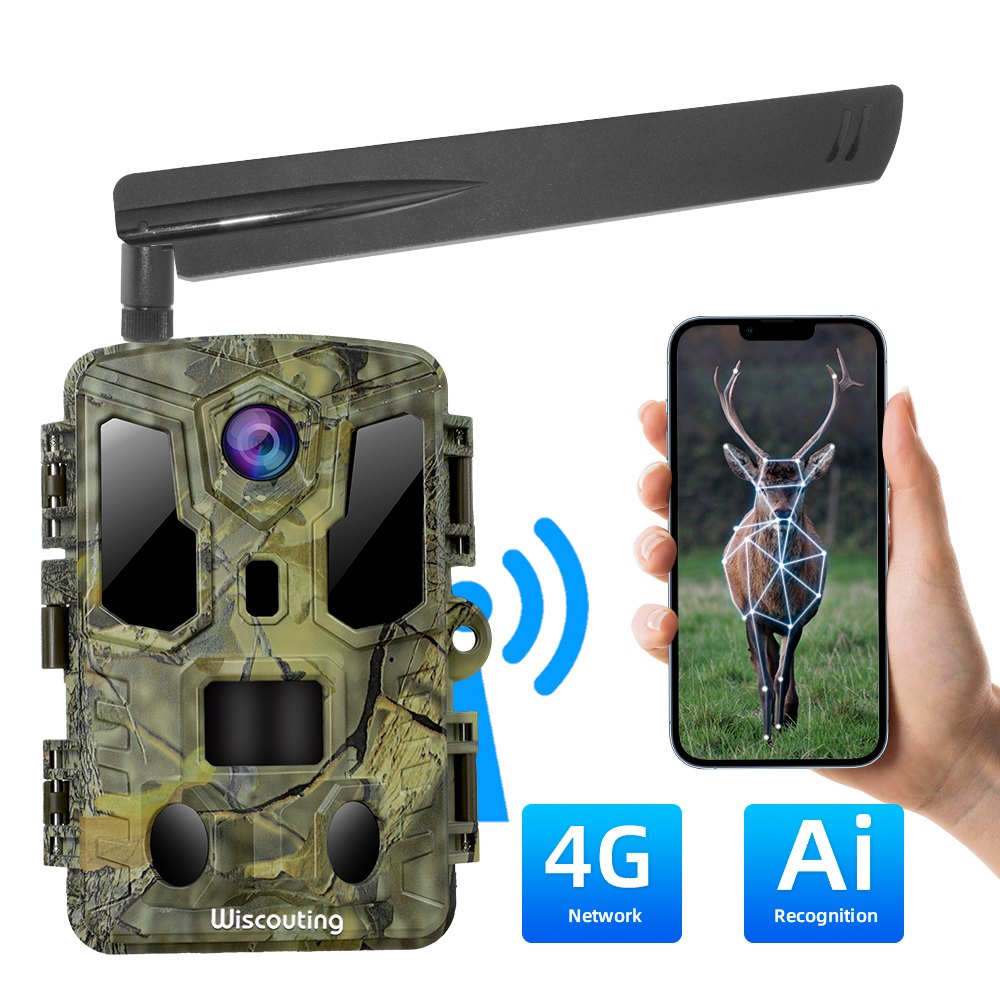


Camera trap and hunting camera
Release time:
2023-03-23 16:40
source:
A camera trap namely hunting camera, is a device that automatically activates when there is a change in activity nearby, such as the presence of an animal or a person.It generally has a motion sensor, which is either an active infrared (AIR) sensor that uses an infrared light beam or a passive infrared (PIR) sensor. Since many years ago, hunting camera has been employed in ecological study as a way to photograph wild animals while no researchers are around. Study uses include investigations of nest ecology, uncommon species identification, population size and species richness assessment, research on habitat usage, and habitation of human-built structures, in addition to hunting and wildlife viewing. Camera traps, commonly referred to as hunting camera and trail cameras, are used to photograph animals with the least amount of human involvement.
The first versions had such a one-shot trigger mechanism and conventional film. Modern cameras that use digital photography transfer pictures straight to computers. Although unusual, this approach is quite helpful and could replace other approaches in study. Even after a triggering event, some cameras are configured to capture numerous photographs. Non-triggered cameras can run constantly or just fire off images at predetermined intervals. The most popular ones are the sophisticated cameras, which are only activated when they detect movement and/or a heat signature to improve the likelihood of getting an usable image.The camera can also be triggered by infrared rays. A newer feature of camera traps is video, which enables researchers to record moving video feeds and study animal behavior. Another major consideration in choosing which cameras to use is the battery life of some of them; while larger batteries give a longer operating period for the camera, they might be difficult to set up or transport to the field site.
Related news
China Sales Service
Phone:+86-18589089676
E-mail: info@sensvisionsz.com
United States Sales Service
Tel: +1-360-999-8726
Email: ky@sensvision.us
