

About Us
Product Categories
Hot Products


How to gauge the quality of a trail camera
Release time:
2023-03-23 16:35
source:

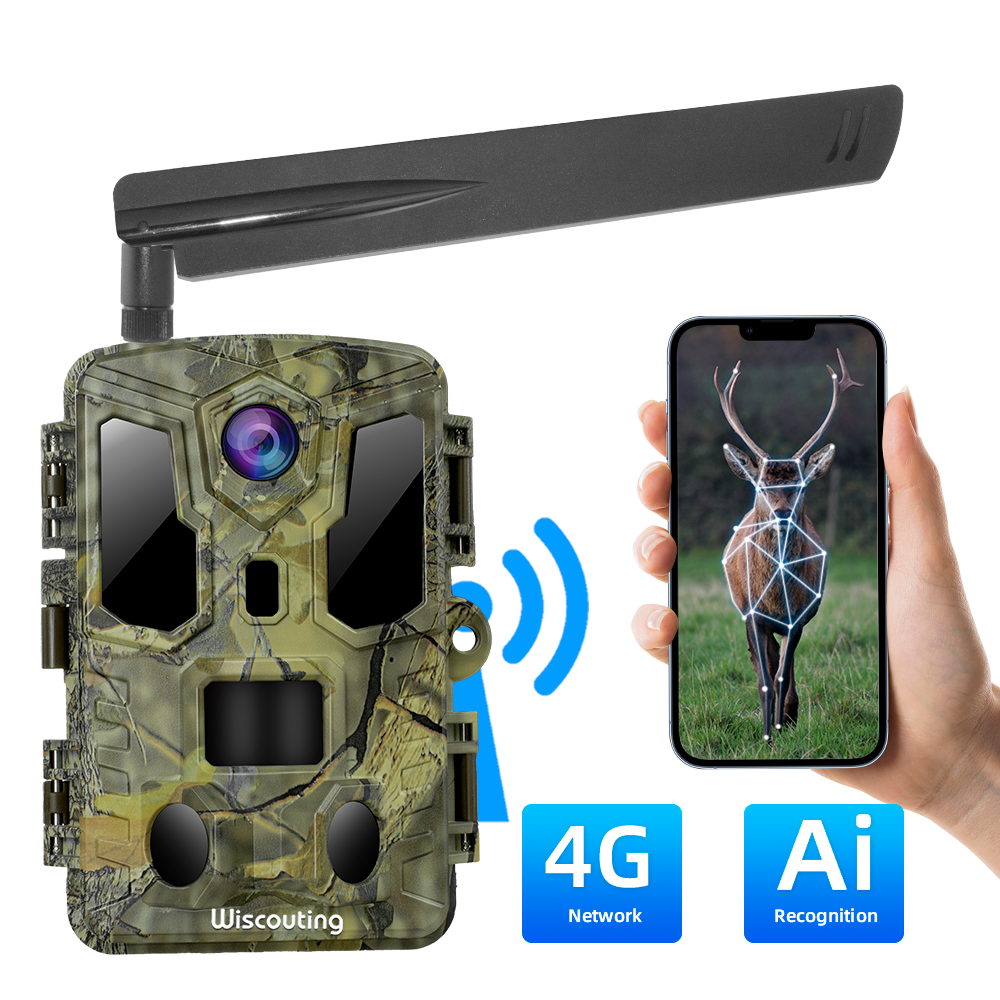
Megs aren't everything, as a professional photographer and videographer I can attest. A number of other parameters, such sensor size, trigger speed, shutter speed, pixel size, and more, contribute to the ultimate picture quality coming from your trail cam, even though they can be a good indicator of the quality of an image you can anticipate from a camera.
Examining actual photographs captured by a trail camera is the best approach to determine the caliber of the camera itself. Real user images are frequently included in online evaluations on websites like Amazon, and they may be a wonderful shortcut to assessing image quality. Despite the fact that trail cameras rarely capture images that are suitable for printing, I have learned to appreciate the higher-quality images, including 4K videos, that my more recent trail cameras produce as opposed to the comparatively shaky and blurry images that my earlier trail cameras produced.
Since trail cams are motion-activated, the value of a quick trigger should be rather clear. When the motion trigger is engaged, you want the camera to take a picture as rapidly as possible in order to best catch the subject. Think about a deer charging right through your trail camera. If it takes the camera almost a second to start up, the deer could not even show up in the frame. A excellent benchmark to aim for is a trigger time of 0.5 seconds or less.
Next
Related news
China Sales Service
Phone:+86-18589089676
E-mail: info@sensvisionsz.com
United States Sales Service
Tel: +1-360-999-8726
Email: ky@sensvision.us