

About Us
Product Categories
Hot Products


The Advancement of Hunting Cameras
Release time:
2023-06-21 12:44
source:
Hunting cameras, also known as game or trail cameras, have undergone significant advancements since their introduction into the market in the 1980s. Initially used for wildlife research and observation, these cameras quickly gained prominence among hunters seeking to enhance their hunting experience. This article explores the evolution of hunting cameras from film to digital.
Film-Based Cameras
Film-based hunting cameras were the pioneers in the industry. They used 35mm films and were mostly heavy and required frequent trips to change the film. Despite the low-quality, grainy images captured by these cameras, hunters could capture images of animals in their natural habitats without causing any disturbance.
Digital Trail Cameras
Digital trail cameras took over the market in the 1990s, replacing the film-based cameras. The digital trail cameras were smaller, highly portable, and with longer battery life. They also had the ability to store more images and produced higher resolution photographs, providing hunters with better access to a game animal's movements for their hunting strategy.
Wireless Trail Cameras
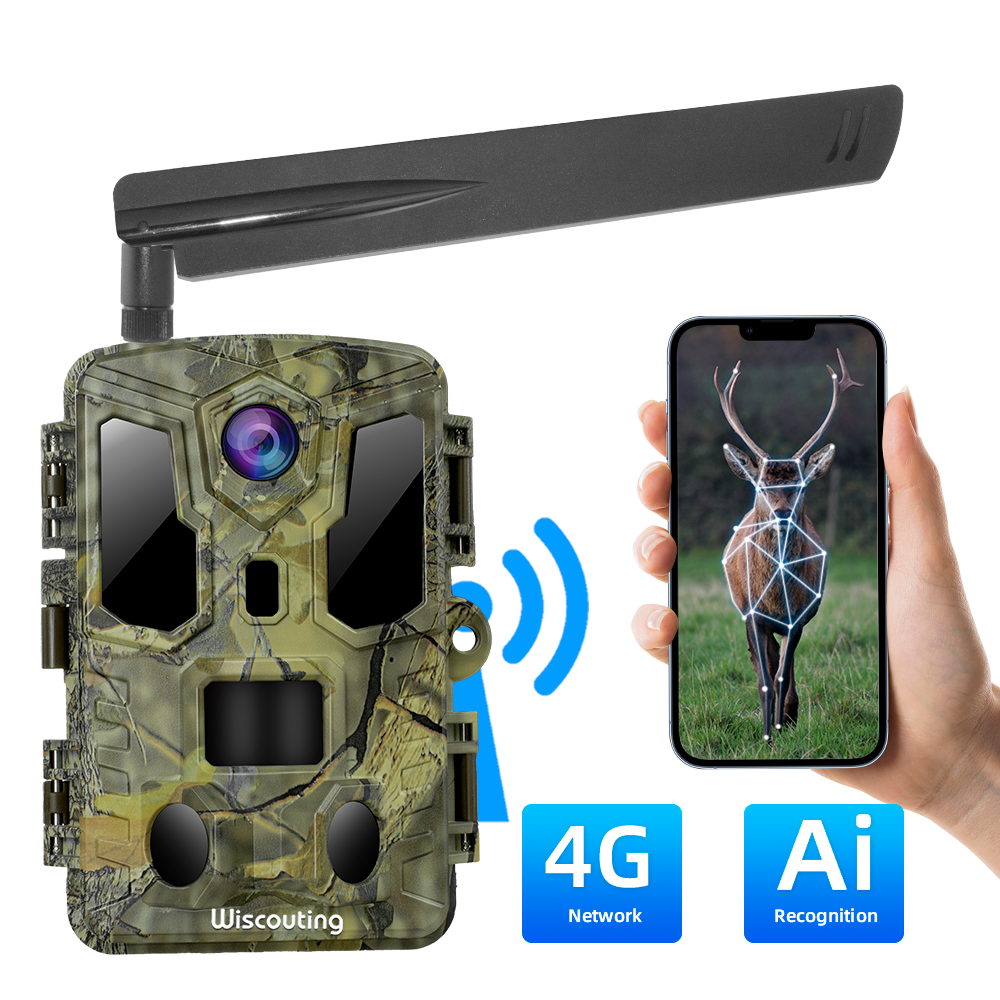
Wireless trail cameras represent the pinnacle of hunting cameras. They use cellular signals or Wi-Fi networks to send images and videos to a smartphone or computer, allowing for remote control and configuration. This eliminates the need for physical contact with the camera, thus reducing the possibility of alerting animal activity. This gives hunters an enhanced chance to spot and track game animals.
Conclusion
Hunting cameras have come a long way since their inception in the 1980s. They have become a significant hunting tool in the hunter's arsenal, giving them access to the natural world and advanced opportunities for hunting success. As technology keeps advancing, we can only expect that hunting cameras will continue to improve and play a considerable role in the hunting industry.
Related news
China Sales Service
Phone:+86-18589089676
E-mail: info@sensvisionsz.com
United States Sales Service
Tel: +1-360-999-8726
Email: ky@sensvision.us
