

About Us
Product Categories
Hot Products
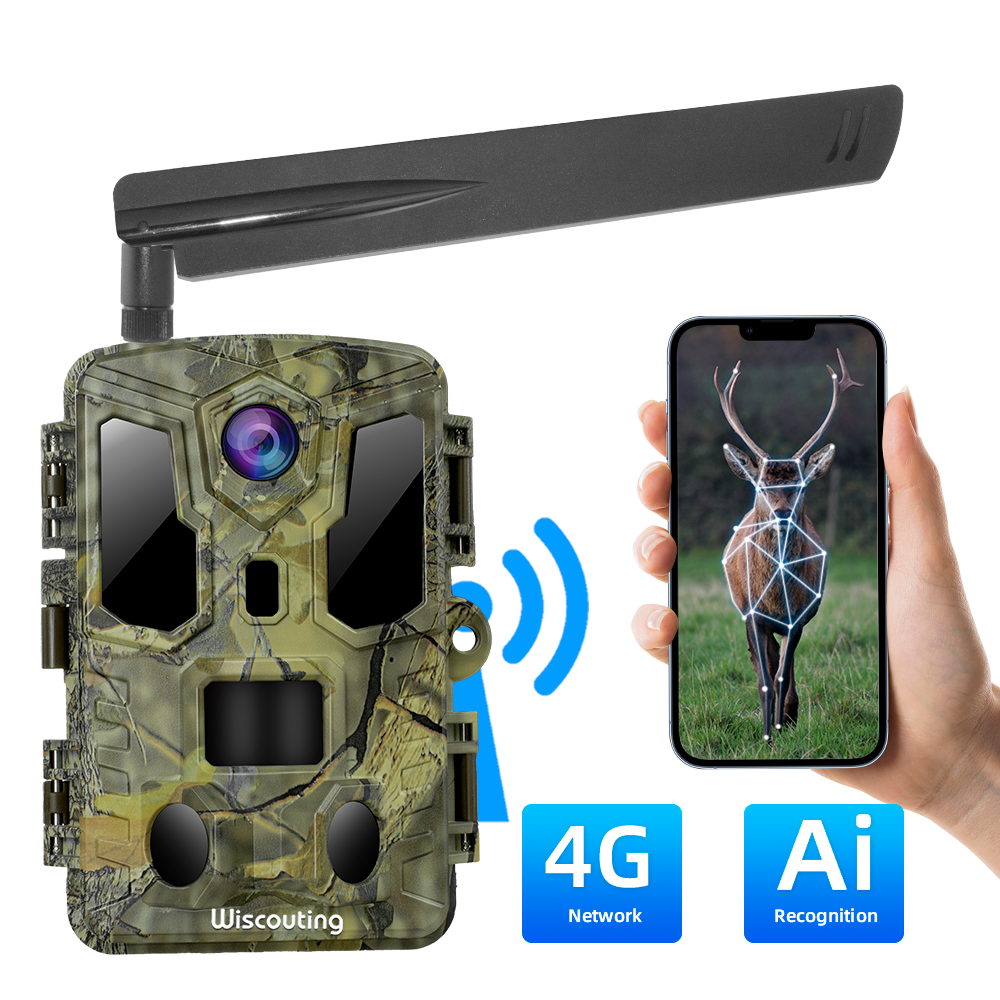


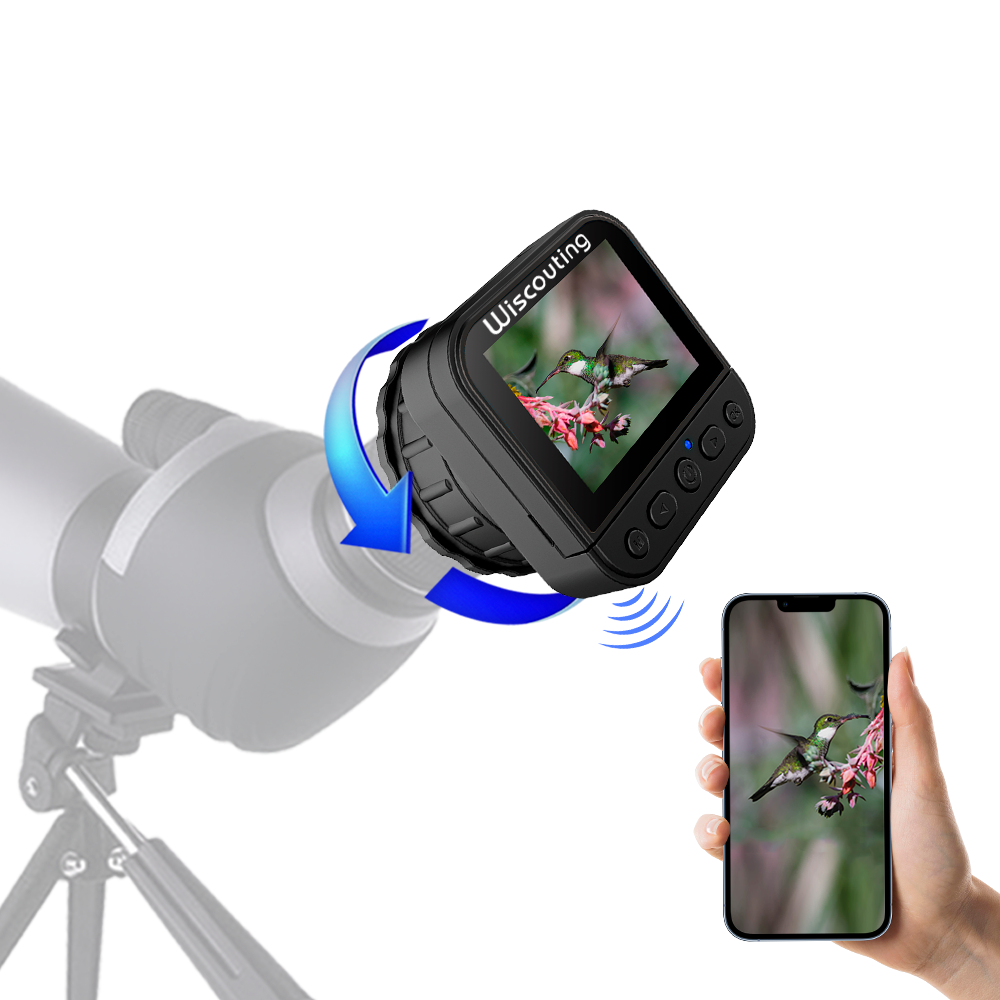
Hunting cameras make a photographer's job much easier
Release time:
2023-03-23 16:38
source:

The animal world and some documentaries about animals have the following methods: 1. Stay in a bunker. Near the cave where the animals are to be photographed or in a place where they often hang out. Pre-build the camouflage shed. The photographer waited in the camouflage shed for the animals to appear. It usually takes a few days to shoot. Sometimes it's longer. Of course, if the photographer wants to make it easier, he or she can set up a hunting camera in an animal den or frequented area. Hunting cameras make a photographer's job much easier. 2. Camouflage camera. The camera is mounted on a remote control vehicle. Very similar to the wireless remote control toys we have now. Certainly more sophisticated than a remote control toy. The remote control is further away and the movement is more convenient. The lens can also be rotated and angled up and down... The outside is then camouflaged with the shapes and colors of tree stumps or stones. It looks like a stump or a rock. The animals can't even see it. Then the camouflage camera is placed near the animal's burrow or in an area where the animal usually moves around. Remote shooting. Can also control the camouflage camera walking tracking animals shooting. It is very convenient. You can take pictures of animals at close range. 3. Catch a wild or farmed animal. Body mounted camera. Then put it back. This way you can use the animals to film. When photographing the cave where the animals live. When the animals are out looking for food. Mount a miniature camera on the cave wall. And disguise it to film it. Filming in caves requires a lot of cameras. Infrared cameras are usually used. In other cases, tiny cameras like endoscopes are used. It's mostly based on the animal. 5. A shot that captures and narrates. It's a video recording of a zoologist at work. It was all shot in the field. There are no composite shots, and he and the photographer usually go out for days or months on end to shoot. Organize the images when you get back. Make it into a program or documentary.
Previous
Related news
China Sales Service
Phone:+86-18589089676
E-mail: info@sensvisionsz.com
United States Sales Service
Tel: +1-360-999-8726
Email: ky@sensvision.us